Compassion Fatigue and Veterinary Suicide Part 1: A Tragic Reality of the Profession

Part 1: From the James Herriot Effect to a crisis. Veterinarians and their staff face increasing mental health challenges.

I recently came across an article called Not One More Vet – The Tragic Reality of Veterinary Suicide by Dr. Alex Avery. I cried as I listened to his podcast on mental health issues in the veterinary profession which was attached in the article, and the causes. It is honestly something I never expected. After listening to his words, researching on my own and speaking to those in the veterinary profession (on all levels), I realized that this is an epidemic much of the public is unaware exists. The causes are real which worsened under the pandemic, and it is a topic that needs more attention and support.

Like so many little girls in the 1970’s, I dreamed of being a veterinarian. I still have the assignment I wrote in second grade on what I wanted to be when I grew up. Like my brothers, I loved animals and was always trying to bring home strays.

Walking to school, my friends and I came across dogs tethered outside with no water and living in horrible conditions. Often the areas they could reach on the tether was so short that they would walk, sit, and lay down in their own feces. The dogs were filthy and matted. I could not steal the dogs and bring them home. My heart sank each time I walked by and no matter what I said to people, it seemed to be ignored. Even the owners used to yell at us to stay away. And then one day, the dogs disappeared. I never saw them again. I absolutely loved animals and wanted to devote my life to them.

As a child, the only thing I knew about veterinarians is my father did not believe an animal should have a “doctor,” so I never experienced taking a sick animal to a vet until I was sixteen. Our old 17-year-old Heinz 57, who lived outside year-round, was extremely sick with a neurological condition. I refused to let her suffer. Against my father’s advice, I begged him to take her to a country vet, where they determined that, without medication, her condition would continue to worsen, and she would suffer. My father would have no parts of providing medications to an animal. To him, it was a waste of money. She would be euthanized. I stayed in the room with her, holding her in my arms as she drew her last breath while my father begrudgingly paid the bill at the desk. He never explained his reasoning and I never forgave him.

I knew little about veterinarians; only what I read in All Creatures Great and Small by James Herriot. He was an English vet in the Yorkshire countryside of England who treated farm animals early in his career and then later saw the need to offer veterinary services to pets as well. His vivid descriptions gave the reader the insight of being a country vet. The descriptions of the lifestyle, the landscapes and the animals were wonderful. I wanted so badly to be a veterinarian:  financial security of being a vet surrounded by animals all day, bringing home strays, living in the countryside, and caring for them when they were sick. I was not the only one to suffer from this delusion of the perfect life. Dr. Avery refers to this in his article as the James Herriot Effect.

“…you’ve got this picture of this amazing individual, and I’m not saying he wasn’t, but there definitely were some liberties taken when writing that book. When you actually talked to his family, they said he actually struggled with depression and was actually an introvert…”

Dr. Avery mentioned many issues in his article that have led to mental health issues in the veterinary practice but to my surprise, these mental health issues, and compassion fatigue, affect every position from the veterinarians to the vet nurses, vet techs, specialists and even the front desk receptionists. People contemplating a career in the veterinary services need to understand that there is also a dark side that has been present for quite a long time that is only now recognized as a crisis in the United States. The profession isn’t glamourous or without its stressors.

Organizations like the CDC, Auburn College of Veterinary Medicine, College of Veterinarian Medicine and Biological Sciences at Texas A & M, Harvard Medical School, Mighty Vet, NOMV and various other organizations are focusing on how to stop this epidemic before it destroys the profession so many of us depend on.

Follow me on this journey into the world of mental health and the veterinary profession where I will delve into:

  • The James Herriot Effect
  • Empathy and Personality
  • Euthanasia and the Mental Challenge
  • Financial Stress – Owning a Practice
  • Clients and Attitude
  • Financial Stress – College Loans
  • Limitations
  • Pandemic Effects
  • Social Media Posts and How One post can Ruin a Reputation
  • Thank Your Vet and Recognize the Team
  • Have a Complaint? Complain in a Mature Manner. Remember, we are all human and make mistakes.

Even though I will use Dr. Avery’s points as a guide, I will expand on each post for you, the reader, to learn as much as you can on this epidemic. Together, we can be part of the solution.
Black Dog Syndrome

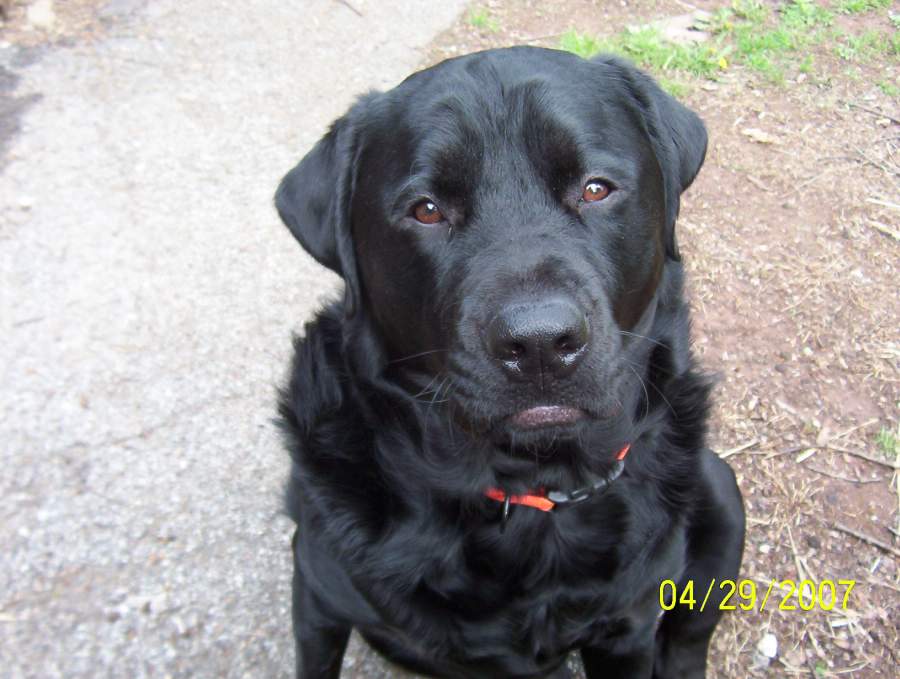
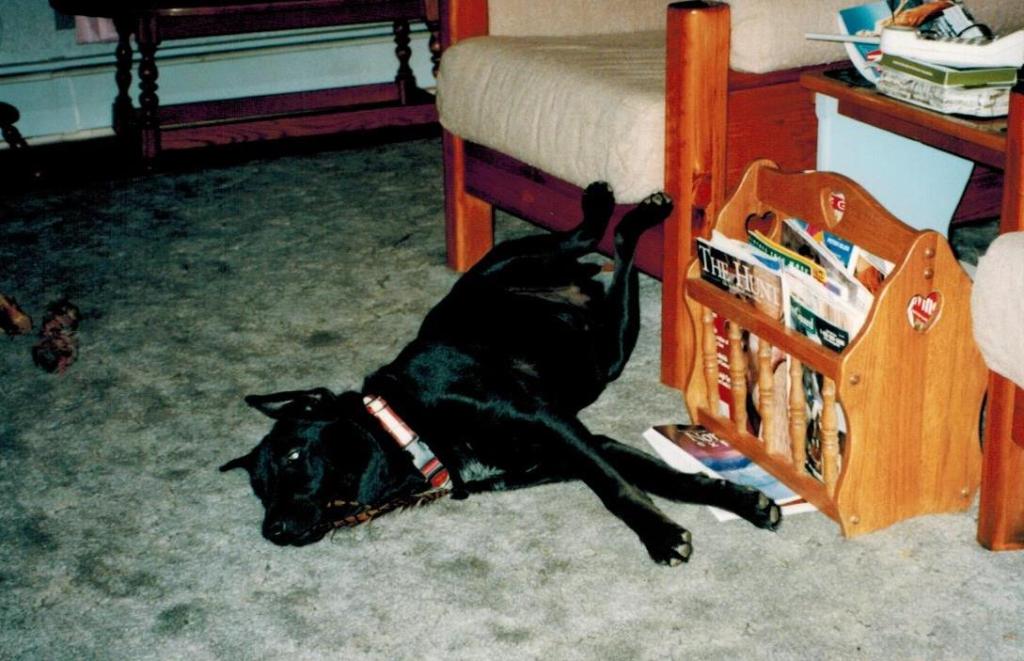
Hunter, adopted at 10-1/2 months old weighing 112 pounds. Turned in two times before we finally adopted him. He was loyal, gentle and very loving.

The idea of Black Dog Syndrome or Big Black Dog has been gaining media attention since the mid-2000’s. Many people perceive black as being aggressive, evil, or bringing misfortune due to folklore or their culture. Thus, people tend to overlook them and choose a lighter colored dog, whether it is a puppy or adult, which appears friendlier.

Though some believe that Black Dog Syndrome is a myth, others have seen firsthand how long black dogs remain in shelters compared to the lighter colored dogs and honestly believe that this syndrome is real.

I wanted to bring this topic up so my readers can decide for themselves. First and foremost, Black Dog Syndrome is not associated with just color but also size, breed, and health.

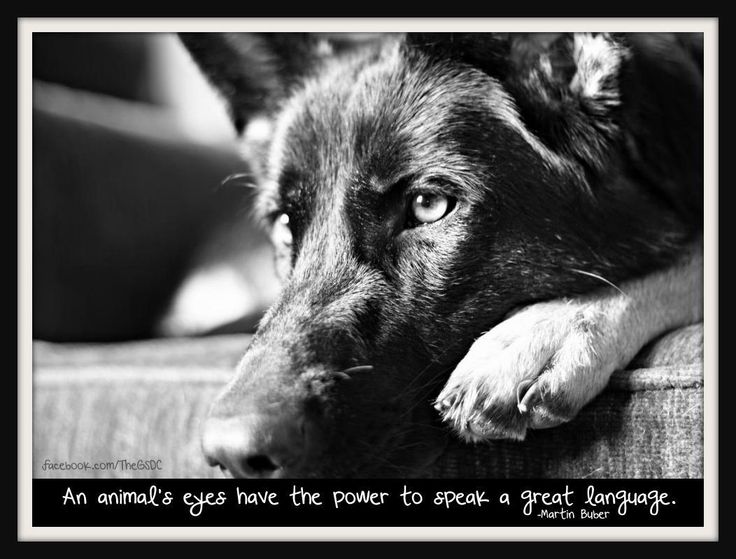
Shelters and rescues do not do a black dogs justice. The pictures they post on their sites do not always capture the beauty, soulfulness of their eyes or their personality. Photographing a black dog requires skill with managing the lighting so that the dog’s features pop and are not blurred. If the pictures do not present well, potential adopters will not be drawn to see them in person.

As much as a large dog attract people’s attention, the large size also scares some away. This may be due to a past unpleasant experience or more likely, inexperience with dogs in general. Now present one of those people with a large black dog that has dark eyes, and they will overlook it, in fact, they will walk past it, unless you are me or my husband who find large black dogs stunning.

The media has always targeted certain breeds as dangerous:  Doberman pinchers, rottweilers, German shepherds and pit bulls to name a few. Sadly, when a breed makes this list, the stigma lasts for years to come. Municipalities have made it even harder by drafting specific breed legislation banning homeowners from possessing these breeds. It is discriminatory to say the least. Each of these breeds, if trained correctly are wonderful family members and many in this group have gone on to do amazing things throughout history. I admit, my parents always believed Dobermans, German shepherds and rottweilers were aggressive and whenever I saw one, I was trained to cross the street and not make eye contact. As I matured, I learned firsthand that these fears could be overcome but I had also learned how and when to approach them.

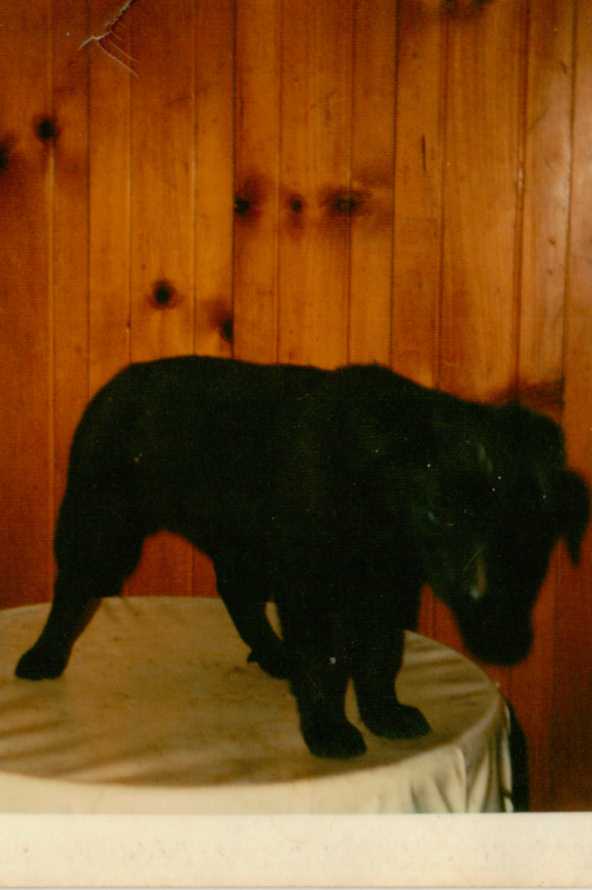
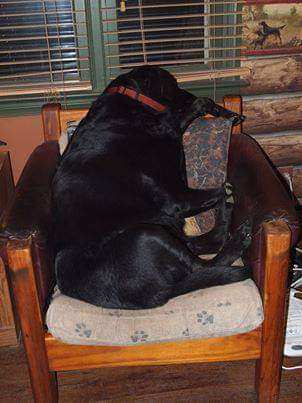
Max: Adopted from an abusive home

The media’s perception of black dogs in the news and movies is a major contributing factor to the problem of black dogs. Why? Black dogs are often portrayed by the media as aggressive, and it only takes one misconception being conveyed over and repeatedly until people “assume” that all black dogs or large breeds are inherently bad. Sadly, people would rather believe fully in what the media tells them than doing their own research and talking to others who have adopted black dogs.

Many children’s stories, television shows and movies have used black dogs to convey a negative theme since the color black in many cultures and folklore represents bad luck and sometimes death. Consider this:  the most popular color at funerals is black because its represents sadness, depression, and finality. When a black dog appears in a show, it often represents a bad omen. The blackness of a dog brings about both a conscious and unconscious fear in people resulting in black dogs not being afforded the opportunity of a forever home. Lighter colors often appear happier, friendlier, and less aggressive.

When it comes to the health of a black dog, they are susceptible to the same illnesses and diseases as light-colored dogs; however, precaution must be taken during outside activities since black dogs can overheat much faster. Knowing how to read a dog’s body language is imperative but can save a black dog from prematurely overheating.

Looking at shelter websites, it seems as if the phenomenon is subsiding. Though black dogs still spend more time in a shelter, they do appear to be adopted at a much better rate today than 20 years ago. With every shelter, there is always work to do.

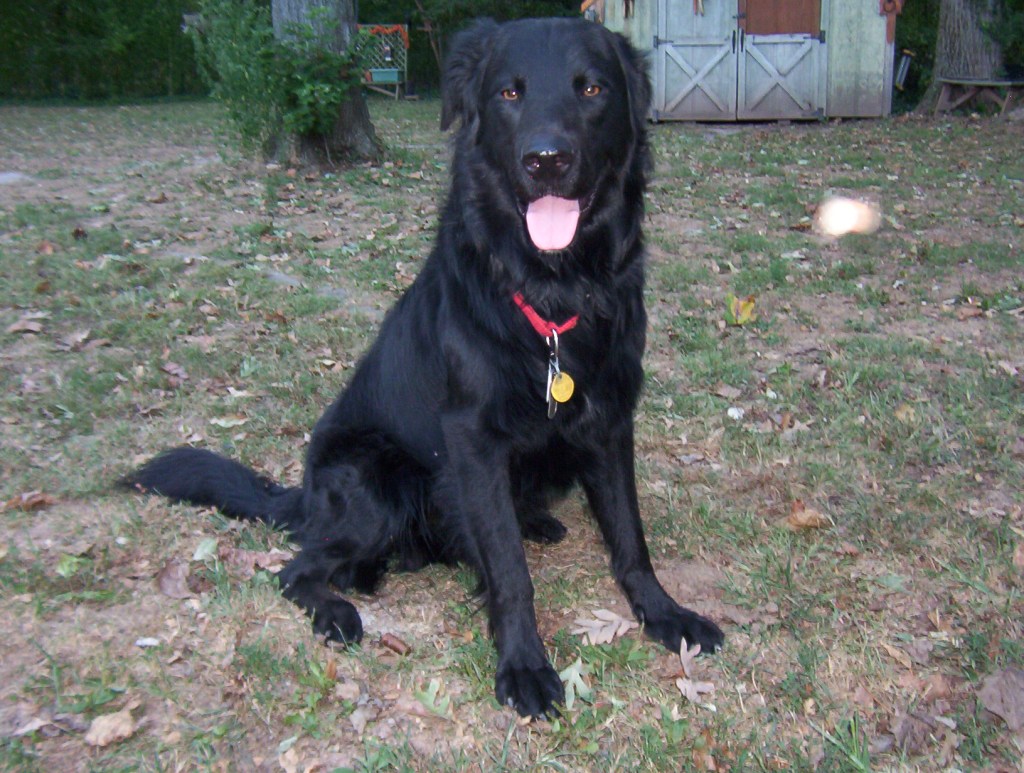
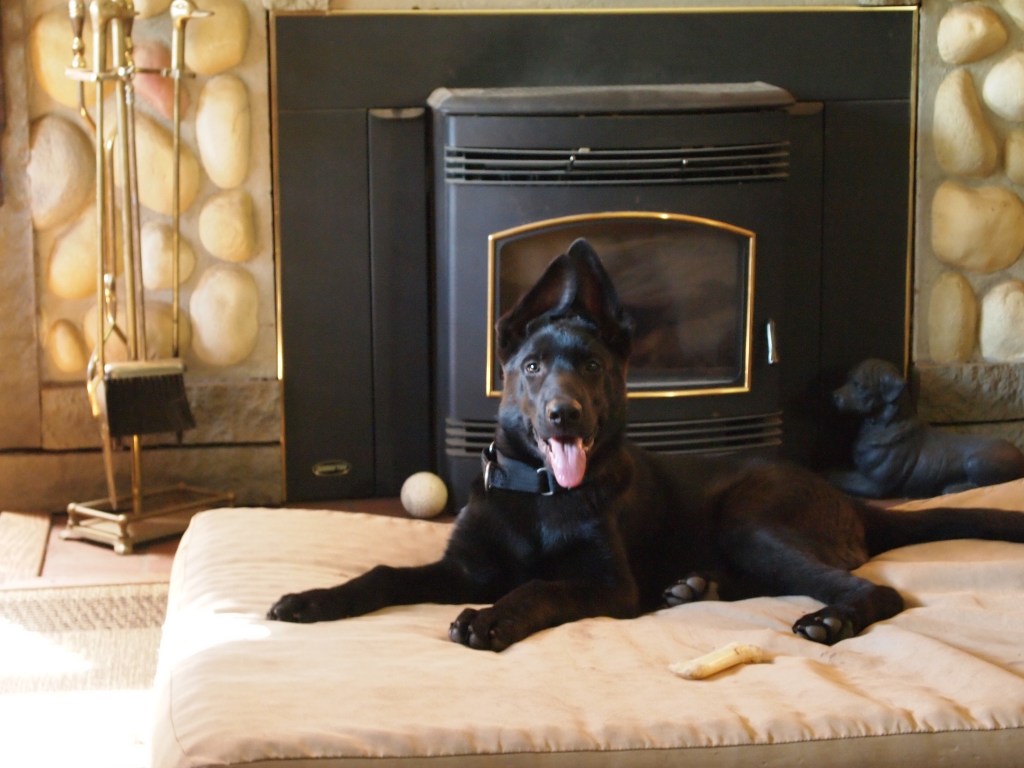
My husband and I have adopted many black dogs over the years, especially when Black Dog Syndrome and the list of dangerous dogs was hitting the news often. We never found black dogs evil or aggressive nor did they bring more misfortune. Our black dogs have been extremely loveable and loyal. In fact, of the eight dogs we have had five since we were married, and I had another two as a child. Only one of these was “presumed” to be aggressive but, Thor was true to his breed. He is a German Shepard, completely locked into the family and extremely loveable with us. His presumed aggression was more our lack of understanding the breed; therefore, not socializing him as we should have.

Today, Thor is 10-1/2 years old, and finally with my husband’s retirement and my working from home since the start of the pandemic in March 2020, he spends every minute with us. He has warmed up to people when out on walks and allows us to have company without trying to “protect us” every second of a friend’s visit. I must admit, staying home with Thor is so much more rewarding than going out these days. We realized that having experience with a certain breed helps, but so does spending endless amounts of time with them so that a mutual bond of trust is formed. We are attuned to our dog’s reactions and feelings. We have NEVER had a bad dog.

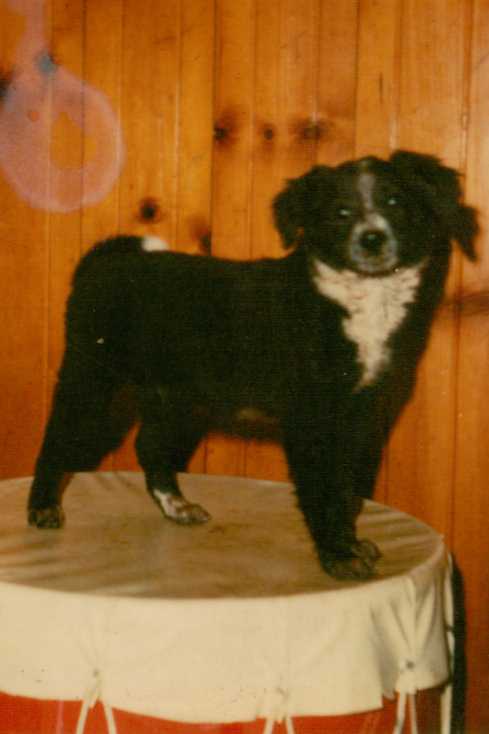
Thor, adopted as a puppy from a friend and has known nothing but love

When it comes to adopting a dog, be wary of myths.

  • Just because a dog is in a shelter, does not mean it is a bad dog. They just caught a bad break in life and need a second chance. Believe me, they know when they are given that chance. They will become such a huge part of your family.
  • Do your research and whatever you do, do not discount a dog just because of their color.
  • Choose the right breed for your family. If your active; adopt an active dog. If you are a lazy person, adopt a laid-back dog.
  • If you have small children, think twice about adopting a large breed dog as children may rough house and inadvertently get nipped or knocked down during play. It is particularly important to educate children what is acceptable behavior when around the dog.
  • No matter what you decide to adopt, be prepared for a lifetime commitment. If you cannot afford the time and finances to care for a dog, think twice about adopting.

Compassion in Action

Silver Linings Sanctuary

There is no doubt that the eyes are the window to the soul, and for animals, it is also their way to connect and communicate in the word around them. It is their own language where they have learned to convey love, sadness, pain, fear, shame, wants and needs. Understanding their eyes, helps us understand their thoughts and feelings which they communicate back to us. By watching their eyes, body movements, and expressions we have learned how to be their advocates.

One of the hardest jobs is caring for another in their final days. Those that provide a place for aging, disadvantaged, or unwanted animals through sanctuaries are an example of compassion in action to its highest level.

  • It is respecting the mannerisms of each animal and understanding what makes them feel their best.
  • It is reimagining what may now seem impossible to overcome, even life ending in some case, and finding a way to help them rise to the challenge to live their best life in their final days.
  • It is restoring the animal’s confidence that they can once again be happy in a safe environment that allows them to be as active as they choose.

This is the mission and philosophy of the non-profit Silver Linings Sanctuary in Honeybrook, Chester County. 501c3 status is pending.

I recently found the sanctuary through a friend, internationally known equine artist Sandra Severson, whose paintings of horses, foxes, goats, sheep, chickens, and all domestic animals I have come to admire over the past 5 years. Her ability to capture their personality and soul through their eyes is astounding.

Sunrise’ painting by Sandra Severson (modeled by Charlie of Silver Linings Sanctuary
Tamborin and Kristin

Sandra and I share a love for animals and when I saw a post on her social media site from Kristin Severson about a sanctuary, I thought they may be related.

Soon, I found myself talking to Kristin and learning about Silver Linings Sanctuary which she and her husband, Ed Amador, cofounded in 2020. For the past few months, I have watched as Kristin and Ed have not only expanded on an idea of taking in unwanted, abandoned and disabled animals but also have learned how they apply their philosophy of the three ‘R’s” of respecting, reimaging, and restoring these beautiful creatures to a state where they can live out their best and final days free of pain, fear, and shame.

Prima
Corona and Charlie

It is a place where the animals wants and needs are met, and they know nothing but love. Though the sanctuary is small, social media enables them to share with the public how they apply the three ‘R’s” to each ‘resident.’ Silver Linings Sanctuary has also become a place where they communicate with others to provide educational information and collaboration on an array of topics that affect all animals.

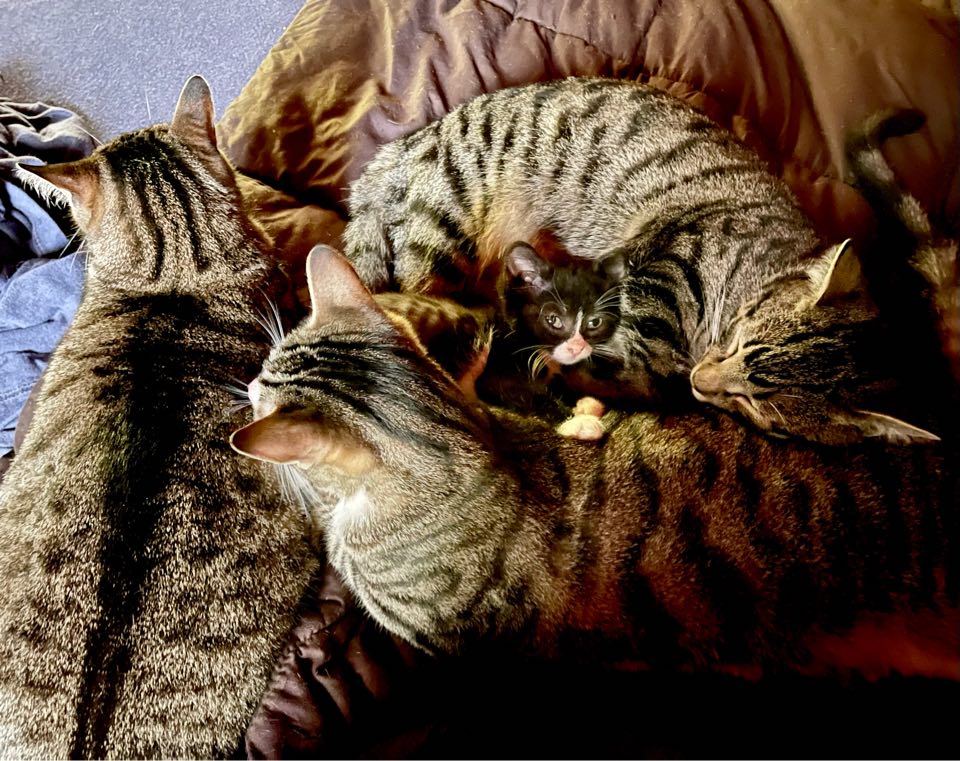
6-month-old ‘Evie’ wrapped in the love of other Majmun, Majka, and Blanco was recently found by Kristin alongside a road in a ditch screaming. Little Evie was covered in lice and coughing up worms. She had lost a lethal amount of blood from the lice but was too young to treat with flea and tick. Kristin shaved her and then spent 4-hours removing the lice. Once the lice were removed, Evie started to retain her own blood and bounced back into a feisty little kitten who will remain at Silver Linings Sanctuary.
 

Every non-profit depends on the kindness and donations of others to help them succeed. Silver Linings Sanctuary is no different. Anyone who provides care for an aging animal or one with special needs understands the commitment, patience, and financial means needed to provide the best life possible for the animal. With 20+ residents in need of extra time, love, and patience at Silver Linings Sanctuary, every dollar helps. Four supporting membership levels are available:

  • Bonze
  • Silver
  • Gold
  • Platinum

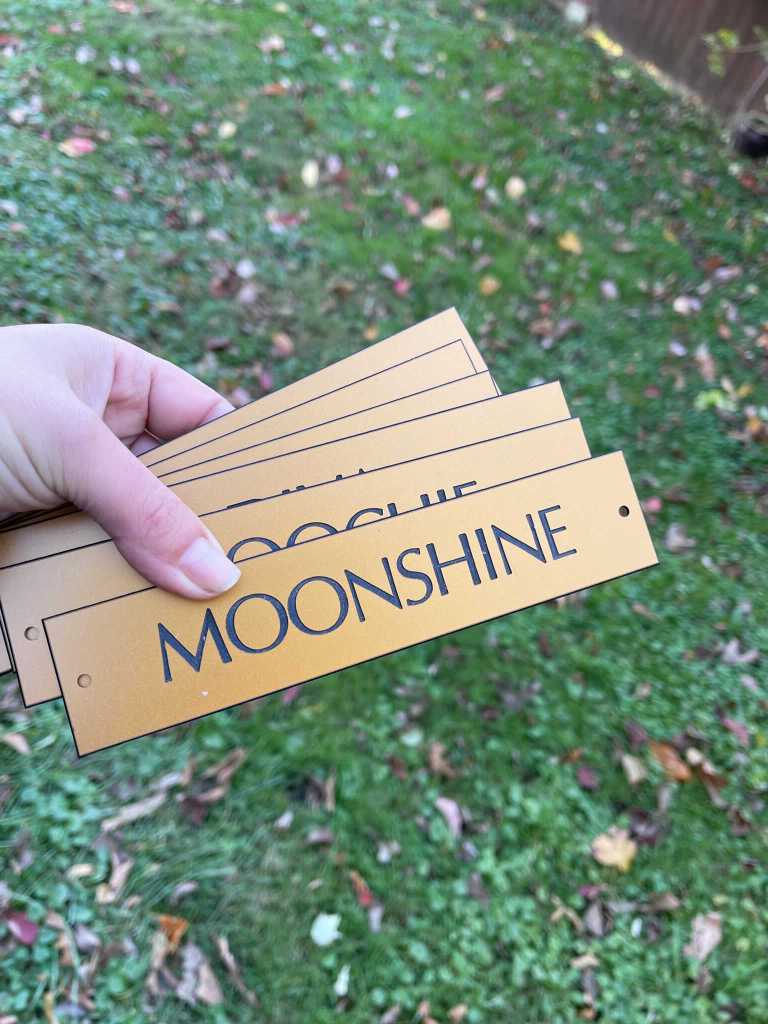
Silver Linings Sanctuary has recently created a Memorial Garden to honor those that have crossed over to Rainbow Bridge. A nominal donation of $25 reserves an all-weather plaque to be placed in the garden where they will be memorialized.

The famous author and English veterinarian James Herriot once said, “If having a soul means being able to feel love and loyalty and gratitude, then animals are better off than a lot of humans.”

The compassion and kindness that Kristin and Ed show to the residents of Silver Linings Sanctuary is genuine. They work hard to understand all those they come under their care and carefully evaluate their needs to create a path for each resident to live their best life. Looking into the residents’ eyes is all the proof one needs to know they are on the right track and are appreciated.

Lord Byron

A Fergie’s Friend post

“Dogs are not our whole life, but they make our lives whole.” Roger Karas

I am a huge animal lover. In fact, there are many days I prefer animals over people, especially lately. An animal’s love is unconditional. Ask anyone who has ever rescued a dog from a shelter, and I am sure the story they will tell you will pull on your heart strings.

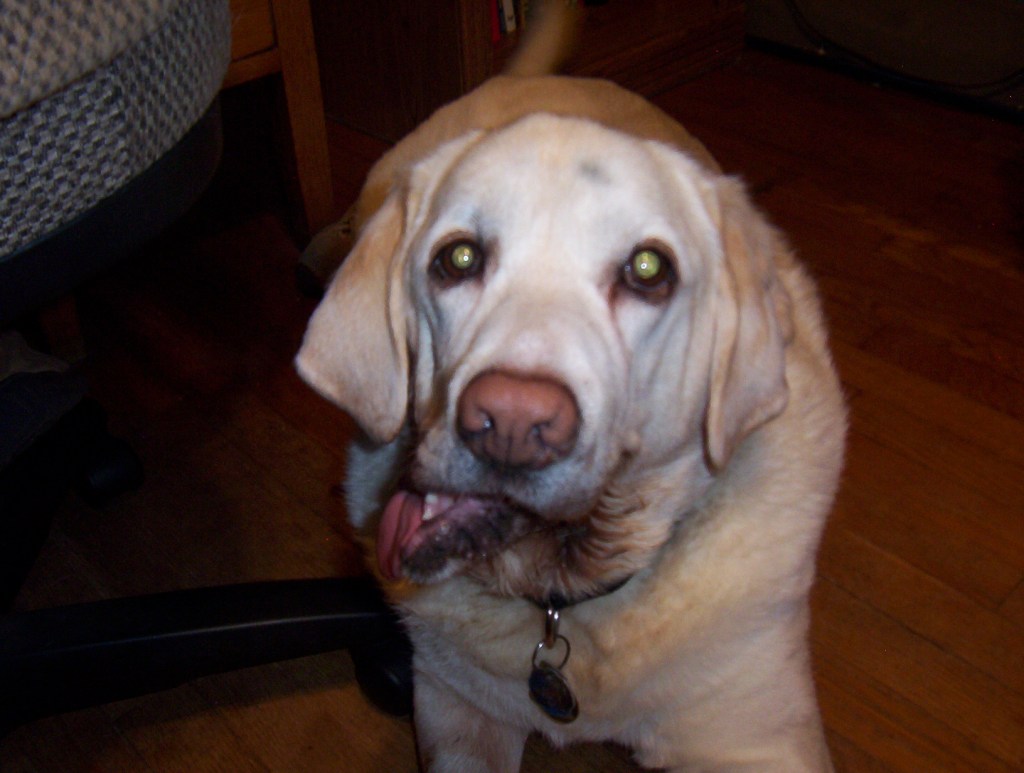
This was the situation I found myself in when I saw ‘Franklin’ on Petfinder. He was a yellow lab who seemed to be stuck in the shelter with no hope of adoption. Although several people came to see him, the deformity of his jaw and the slight depressions on the top and side of his head seemed to repulse them. I credit the shelter photographer who took Franklin’s picture for Petfinder. He captured the softness in Franklin’s eyes, and I knew at that moment, there was something special about him. When Franklin was introduced to me, the woman at the shelter led him into a room, explained to me that he had a deformity and would hide his head. She then handed me the leash, but Franklin would not look at me. I took the time to let him get comfortable. Finally, he lifted his head, looked at me with those beautiful soft, brown eyes and pushed a stuffed toy towards my hand. He did not want me to take the toy, but he started wagging his tail while still hiding his face. I could see something was not right, so I asked the woman what happened.

Adopted as Franklin but lived as a Lord

“He was found wandering the streets. No one came for him. We believe he broke his jaw, and it was never set correctly. We understand if you would rather not adopt him. Everyone walks away when they see him.”

“I’ll take him. Every dog deserves to be loved.”

That act of compassion to care for an animal with a disability changed the life of both me and my husband. When we adopted him, I had been dabbling with my writing but had not taken any of my work serious enough to send it for publication. I needed that spark to not only ignite my creativity but also to give me a purpose on what to write about. Little did I know that spark came in my new four-legged companion.

Every room in my house had a reference to a famous literary work or author, so it was only appropriate to rename Franklin after someone in literature who excelled despite having a disability. After much thought, Franklin was renamed ‘Lord Byron’ or Byron for short.

If Lord Byron could overcome a birth defect of a club foot and still go on, despite the excruciating pain to travel extensively throughout Europe, become a leading figure in Europe’s Romantic Movement as well as one of England’s greatest poets, while still having the will to live, well then, my Lord Byron would have that same will, despite his injuries.

We loved Byron. We needed to be patient; leaving Byron to adjust to us, his new fur brothers and his new forever home. We reached out to Dr. Paul Orsini, formerly with Metropolitan Veterinary Associates in Trooper for an explanation on Byron’s injury and to give us an overall health checkup. The shelter staff initially told us it was a broken jaw which was not set properly. Dr. Orsini explained that Byron had a partial mandibulectomy (removal of a portion of his lower right jaw) which could have been due to cancer, but he believed it was from a traumatic accident since there were obvious depressions on the upper right side of the head and a few teeth were pushed to the left. The mouth was sutured on one side so that a pocket was formed allowing him to keep food in his mouth to eat.

Dr. Orsini, said whatever had happened, Byron had adapted well to the surgery. Byron had no trouble eating which was evident from his 80-pound body weight and his disposition was very calm. Byron was scheduled for several extractions to save his oral health. Besides the dental issues, Byron seemed to be in good health.

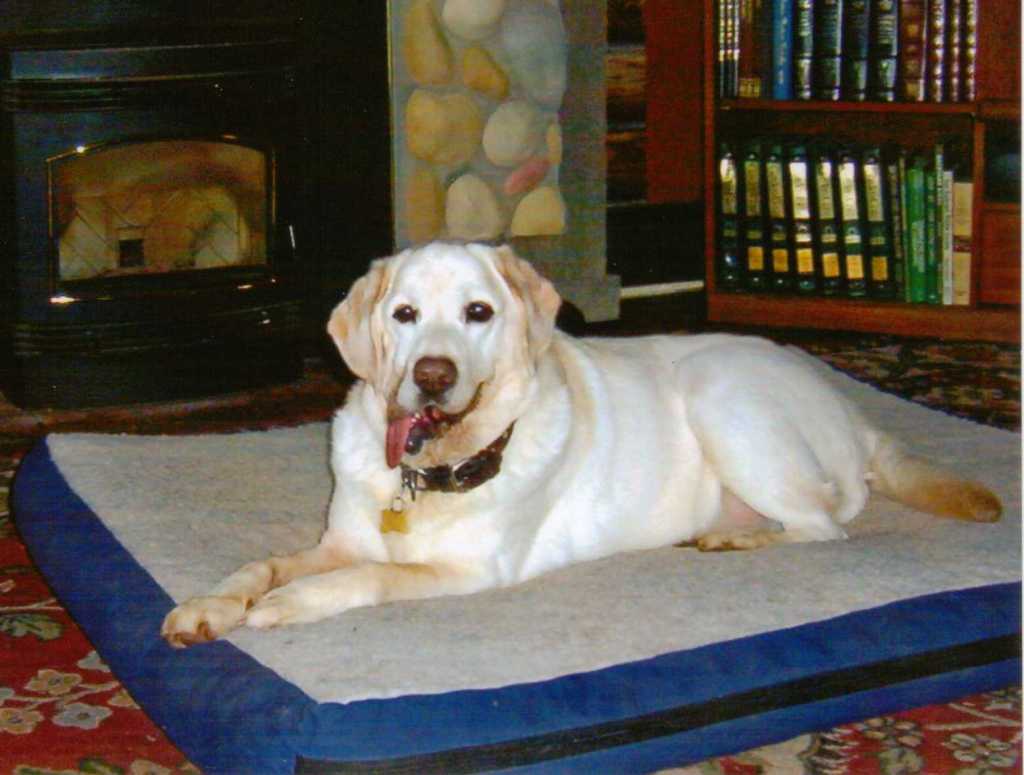
Lord Byron

We never did learn what had happened to him or why he was abandoned. We believe he was struck by a car since we soon realized he was attracted to loud noises (like our lawn tractor, snow blower and cars). But why was he abandoned? We were not sure and surmised that it was primarily the result of an economic issue or his owner’s death.

Prior to Byron arriving at the shelter, the economy had crashed, and people were losing their jobs and homes. People struggled to keep their heads above water and having another mouth to feed was difficult. The surgery that Byron had received at the time was approximately $4,500, not an amount many young people would be willing to quickly invest, especially not knowing the future costs of his care or their financial stability. However, an established older couple often does not hesitate to provide the care needed for a pet when the pet is sick or injured, even if it means they need to forego something for themselves. Their pets are family, and they would do anything for family. It is possible that the older couple became sick, went in a home, or passed away. The children ‘inherited’ a not-so-perfect dog that needed extra care, and not all children would be willing to undertake that responsibility. It is easier for people to simply abandon them so as not to look like the ogre turning the dog into a shelter. Sorry if the conclusions seem harsh but my husband and I were both in law enforcement and had seen the worst side of people and sadly how some people viewed animals. Whatever had happened, we knew that Byron would live the rest of his days with us where we would provide for his health and safety no matter what.

Byron’s disability was invisible to us. Sure, we had to give him a little more attention than our other two dogs, but it was well worth it. We learned so much by watching the other two interact with him. It was the most amazing experience we had. Somehow, the other two sensed there was something different with Byron and they instinctively adjusted their actions to allow Byron to be a part of the family, eating, sleeping, and playing together. If only people would have those same instincts and not judge others, our world would be much better.

It was through my interactions with Byron that I learned to accept my own disability and make it work for me. Until then, I would not discuss it. I started writing again but this time I was more confident and honest with my own situation. Soon I was published every week in newspapers and eventually magazines. I credit Byron for showing me the way.

For us, Byron was our special boy who reminded us that life should be enjoyed, that through patience and persistence, we can overcome the odds and be happy with what we are dealt in life. We learned so much from him and are committed to helping another unwanted, abandoned or aging dog.  Their hearts are pure and the unconditional love they show is something everyone should experience. It  is life changing.

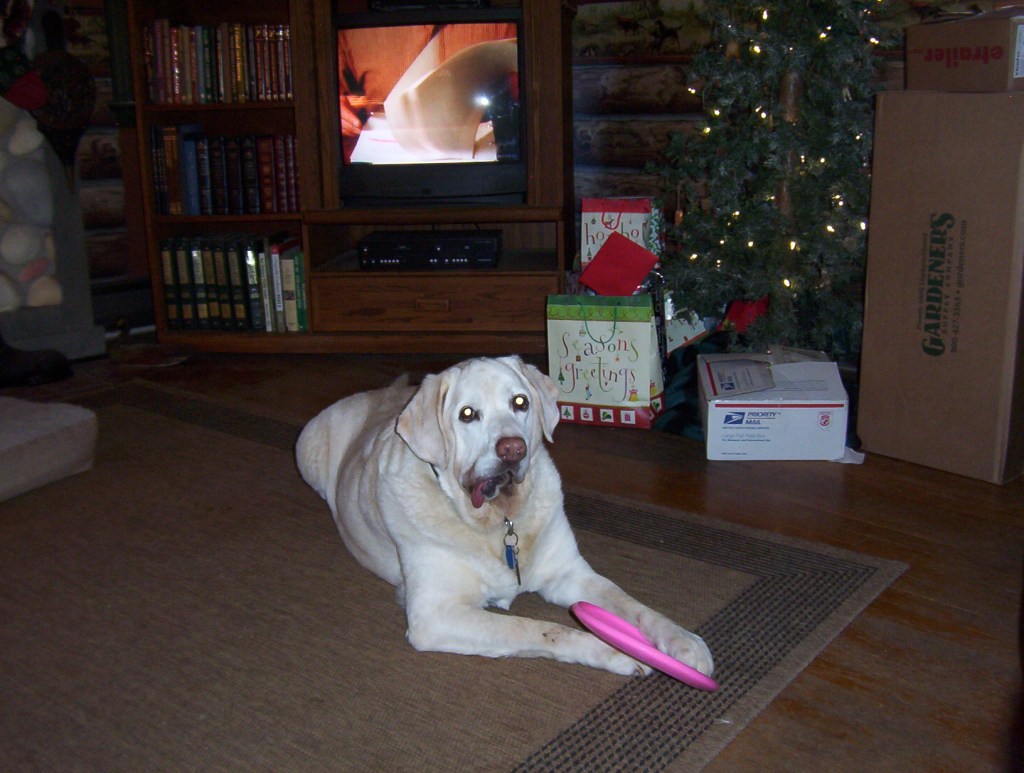
Christmas is good

Helping one animal at a time overcome harsh treatment, taking care of them when they are sick or injured, giving them a safe and healthy environment, and fighting for them, when necessary, has rewards far greater than money.  In my opinion, people who devote their lives to the welfare of animals will have a special place in heaven. One particular non-profit that does just this is Silver Linings Sanctuary.

The power of newsletters for non-profits

In my last post, I discussed the pandemic and how it has affected small businesses and non-profits. Before giving up, I discussed how rebranding the business and notifying customers of the change may be able to the salvage the investment already made into the business and if the pandemic had a budgetary impact, the easiest and most economical way to get the word out of any changes is through a simple newsletter. A newsletter simply keeps the customer informed of upcoming events, such as newsworthy items that affect the business, opportunities, and victories within the business. The possibilities are endless. The question is, can non-profits benefit the same way as regular brick and mortar or internet businesses? Absolutely and more so. The key is to not only communicate when seeking donations but to keep the readers informed of what is happening in your organization.

Benefits for the reader:

  • Make sure that your newsletter is beneficial to the reader. If you only reach out to ask for donations, you will lose your supporters.
  • Tell others what has been happening in your organization.
  • Introduce new volunteers or employees.
  • Tell them what your goals are and how you plan to get there.
  • Give them interesting news that they can use such as how-to articles, self-care, something that happened that may affect the business or even a new law that may affect the business.

Recognition:

  • Spotlight those who have been helpful through volunteering their time with administrative tasks, events, training or caring for the recipients (ex. children, those with disabilities, patients, animals, or even historic sites.
  • Highlight donations received and who the doners were.
  • Tell the reader how the donations will be allocated.
  • Highlight promotions within the organization, a new employee or volunteer.
  • Receiving recognition keeps moral high and your relationships active.

Successes are important for every business, especially non-profits. Examples of successes are everywhere.

  • A recent fundraiser reached its goal
  • A new treatment or therapy which the non-profit was involved, obtained approval for an illness.
  • A volunteer just completed a grant writing course to better help the non-profit raise funds.
  • The organization assisted with rescuing animals out of state after a weather emergency.
  • A $5 Snip and Tip Feral cat Spay/Neuter Clinic was recently held.

Promotions of events and volunteer opportunities by the organization year-round. Often, people want to attend events but find out after the event through posts or conversations with others.

  • Announce events a month or two in advance so people have time to schedule it into their day
  • Announcing volunteer opportunities in advance allows people to find a time that works for them
  • Identify the opportunities available like driving meals to people’s homes or walking dogs in a shelter.
  • Identify skilled volunteer opportunities for a repair person, IT specialist, marketer, or writer.
  • Identify professional services needed, such as legal advice or veterinary care. Often, professionals are looking to fulfill pro bono services as part of their full-time job and they would be very happy to do this for a cause they support.

The best part of newsletters are they are much easier to create and cheaper to distribute through an email server or as a link on a website which the reader can download. Some newsletters may have in-depth articles while others may only have brief summaries with links for more information. This is the organizations choice, but anything is acceptable, as long as your give the reader something of value. If using an email provider, the newsletters are sent to people based on the interests they opted in when they signed up thereby, reducing the number of unsolicited newsletters sent out. The days of sending direct mail has been fading out over the years and when people receive unsolicited mail, it tends to end up in the trash.

If you would like to see a sample newsletter, head over to my website and look for NEWSLETTERS – Paws for a Cause Portfolio – Wingman Copywriting (gailynnemferguson.com).  I am more than happy to create a newsletter for you that will keep your supporters informed. If you like what you see, please use the contact page on my website to reach out. I will respond within 24 hours.

4 ways to distribute newsletters & 4 key points not to miss

The recent pandemic has forced many small businesses to close their doors, which sadly has crushed the hopes and dreams of hard working men and women around the United States. No one could ever have imagined that our great country could be brought to its knees so fast. The struggles are real and far from over as the supply chains are at a standstill, mandates are being passed to tell you how your business should operate, and people are hesitant to return to the workforce. Customers are disappearing. So how does a start-up, small business, or non-profit stay a step ahead of these unexpected events?

First and foremost, take the time to review your business in today’s ever changing environment.

  • How have the past two years affected your business?
  • Is what you offered two years ago still viable today?
  • Do you need to change course and reinvent your brand?
  • How will you communicate these changes to your customers without losing them?

Reinventing a brand is common among businesses. Businesses constantly evolve. Economic conditions will always effect how businesses operate and be a primary factor in the owners final decision. Never just throw in the towel on your hopes and dreams until you look at all of your options. There are so many resources available.

If you do need to communicate a change in your operations, consider creating and distributing an e-newsletter to keep your customers and followers up-to date with the changes at least until you are in a position to expand your marketing efforts. It is economically feasible. WHATEVER YOUR DO, DO NOT KEEP YOUR CUSTOMERS IN THE DARK. They made your business successful once and will do it again if they feel they are a valued.

There are four ways to distribute newsletters but each comes with pros and cons. Making sure to obtain a list and keeping it active with new content can quickly build your customer base. Failure to do that can lose a majority of customers within 5 years. Though not all subscribers will become active customers, many will. Often times, people read newsletters because they are interested in learning what a company has to offer before reaching out to them for more information. Constant emails or phone calls can easily become a nuisance if they were unsolicited. If the newsletters are informative, readers will eventually contact the company for more information. A list of distribution means are listed. Their advantages and disadvantages will be discussed in a separate post.

  • Do It Yourself
  • Social Media Sites
  • Email Services Providers
  • All Inclusive Email Services

A newsletter should take no longer than 5 minutes to read and it should accomplish a few key points.

  • Respond to a customer’s needs or wants. There is a reason they have come to you in the past or have sought you out now. Make sure they are satisfied.
  • Be authentic. In other words, don’t make it sound like a marketing effort. Draw the reader in so that they feel they may be a part of a solution for you and will want to recommend you to others. Offer them information that is beneficial to them. Identify issues that are relevant to products onthe market or explain why you need to rebrand your business.
  • Offer something for free. This may be a printed how-to guide or a training video, a gift certificate, or a discount on a service. The possibilities are endless. Be creative. Set up questionnaires to learn your customer’s wants and needs. Then address these, if applicable, in future newsletters If it is something of value to your customer, you will have them return time and again as well as passing your information along to others. It also keeps them coming back for more if they found the free item to be worthwhile.
  • Keep your content clear, concise and organized. Remember, it should be no longer than a 5 minute read. If you want to add more information, provide them with links to learn more. A sample newsletter appears below.

If you would like to learn how a newsletter can help your business, please contact me. To receive future blogs pertaining to the businesses today, please subscribe on my home page.

Introduction

Sports Afield columnist Gene Hill often wrote about his dog: ” He is my other eyes that can see above the clouds; my other ears that hear above the winds;…He has told me a thousand times over that I am his reason for being…He is loyalty itself…He has taught me the meaning of devotion…With him, I know a secret comfort and a private peace…His prescence by my side is protection of my fears of dark and unknown things. He has promised to wait for me…whenever…wherever – in case I need him. And I expect I will, as I always have.” Although this is paraphrased from a much longer quote by Hill, it is a true reflection of how many people fee about the bond they have with their dogs. I know I do.

No matter what has happened in my life, my dogs have never left my side.These gentle souls have comforted me through illness, death, lost jobs, dreams and even a pandemic. Somehow, they always knew when my day caused me stress and they were ready to cheer me up. Dogs have a way of making me laugh through their silly antics. Pushing their head up under my hand forced me to run my fingers through their soft fur. Soon, I’d be massaging their ears, face and under their chin. Their eyes would close and they would be so relaxed. The gentle strokes of my hands across their body relaxed me as much as it did my dog. It sent me the message ‘let me share that stress and anxiety with you and together we will get through this’. Shortly, my stress would disappear. I could always count on the loyal, devoted companionships of my dogs. 

Sadly, I am down to one boy now; Thor. The rest have passed on, taking a small part of my heart with them, but leaving me more compassionate, understanding and patient. They have also taught me how to love unconditionally and to be grateful for the company of loved ones. For this, I will be forever thankful that they shared their lives with me and they will never be forgotten. Like Gene Hill said, I expect I will always need my dogs. They make life manageable and remind me every day that life is to be enjoyed, family is first, love unconditionally and when you are responsible for the care of another, whether it is an animal or human, you have their full trust to make those hard decisions. Never ever break that trust.

Why did I start my first blog post about dogs? It’s simple. The way I dealt with my dogs over the years is the same philosophy as I use with all business transactions. Be grateful for the little things. Always acknowledge a good job and if a mistake is made, learn from it and move one. My dogs trusted me fully to see to their needs and to always make the right decisions in their care. That same trust needs to be with a client when helping them build a business. With my dogs, I always did the research so I could provide them the best care; sought input from others when needed and always watched my dogs so I could speak their ‘language’. My dogs would let me know when enough was enough and trusted me fully to do what was best for them, not for me. They were my responsibility. With clients, research must be done to present them at their best and communication must be open and honest. I need to speak my clients language, but also listen closely to them so I fully understand their needs so I can convey a message for them. Every business wants to trust those they work with to be their ‘WINGMAN’ just as my dogs trusted me.